
The Canton Fair is the largest trade exhibition in China and one of the most important sourcing events in the world. Every year, thousands of international buyers travel to Guangzhou to meet suppliers, discover new products, and place wholesale orders. However, many first-time visitors make serious Canton Fair buyer mistakes that can lead to wasted time, poor supplier choices, or expensive sourcing decisions. Therefore, understanding these common Canton Fair buyer mistakes can help importers prepare better and maximize the value of their visit.
Although the Canton Fair offers huge opportunities, navigating such a massive exhibition requires careful planning. The event hosts thousands of suppliers across multiple halls and product categories. Consequently, buyers who arrive without preparation often struggle to find reliable suppliers or negotiate the right deals. By recognizing the most common Canton Fair buyer mistakes, importers can avoid costly errors and build stronger supply chains.
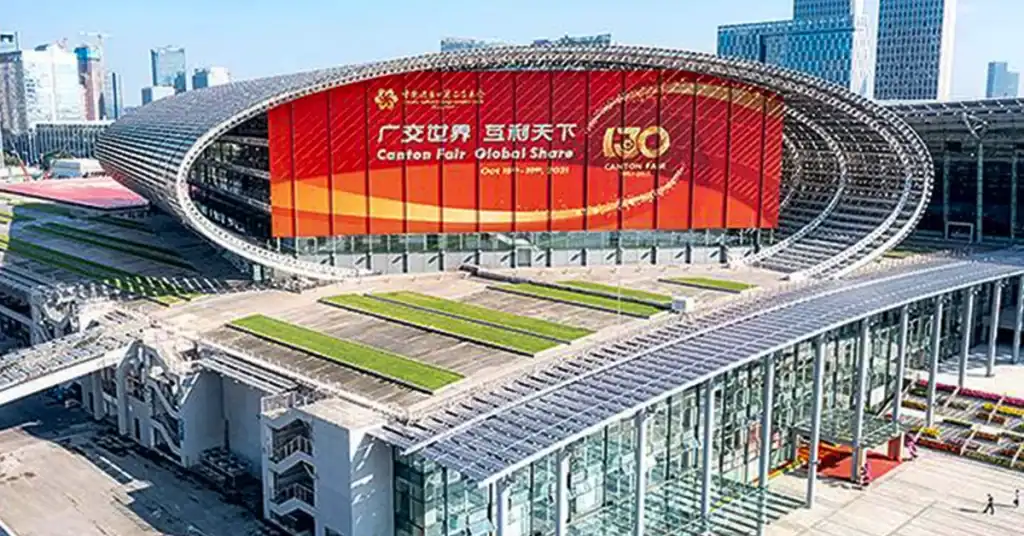
Why Understanding Canton Fair Buyer Mistakes Is Important
Attending Canton Fair can be an exciting experience for international importers. However, because the exhibition is extremely large, buyers must approach it strategically. Many first-time visitors assume that simply walking through the exhibition halls will automatically lead to great suppliers. In reality, successful sourcing requires preparation, research, and follow-up.
Learning about common Canton Fair buyer mistakes helps importers avoid unnecessary risks. For example, buyers who verify suppliers carefully are far more likely to build reliable business relationships. Similarly, buyers who plan their sourcing schedule can meet more suppliers in less time. Therefore, understanding these Canton Fair buyer mistakes is essential for anyone attending the exhibition.
1. Arriving at Canton Fair Without Preparation
One of the most common Canton Fair buyer mistakes is arriving at the exhibition without proper preparation. Some buyers simply walk through the halls hoping to discover products randomly. However, because Canton Fair is so large, this approach can waste valuable time.
Instead, buyers should research product categories before attending the event. Reviewing the official Canton Fair exhibitor list helps identify relevant suppliers in advance. Furthermore, preparing a sourcing plan allows buyers to focus on specific product sections rather than wandering through unrelated halls.
2. Talking Only to the First Supplier They Meet
Another common Canton Fair buyer mistake is choosing the first supplier encountered at the exhibition. While some suppliers may offer good products, comparing multiple vendors is essential before making any decisions.
Experienced buyers usually speak with several suppliers before selecting one. By comparing product quality, pricing, and production capabilities, buyers gain a clearer understanding of market conditions. Consequently, they can negotiate better terms and avoid unreliable suppliers.
3. Not Verifying Whether the Supplier Is a Factory
Many buyers assume that every exhibitor at Canton Fair is a manufacturer. However, this assumption can lead to significant Canton Fair buyer mistakes. In reality, many booths belong to trading companies rather than factories.
Although trading companies are not necessarily bad partners, buyers should clearly understand who they are dealing with. Asking questions about production facilities, factory location, and production capacity can help verify whether a supplier is a manufacturer. Therefore, verifying supplier identity is an important step when avoiding Canton Fair buyer mistakes.
4. Ignoring Minimum Order Quantity Requirements
Minimum order quantity (MOQ) is another factor that often surprises first-time visitors. Some buyers discover attractive products at Canton Fair but later realize that the supplier requires extremely large orders.
This situation is one of the most common Canton Fair buyer mistakes. Many manufacturers prefer large production volumes, which may not suit small or medium-sized importers. Therefore, buyers should discuss MOQ early during negotiations to ensure the supplier’s requirements match their purchasing capacity.
5. Trying to Source Too Many Product Categories
Canton Fair showcases an enormous range of products. As a result, some buyers attempt to source too many categories at once. This approach often leads to confusion and poor supplier selection.
Instead, buyers should focus on a few key product categories that match their business model. By concentrating on specific product segments, importers can evaluate suppliers more effectively and avoid making rushed decisions. Consequently, focusing on core products helps prevent major Canton Fair buyer mistakes.
6. Not Recording Supplier Information Properly
Another frequent Canton Fair buyer mistake is failing to record supplier information accurately. During the exhibition, buyers may collect dozens of business cards and product catalogs. However, without proper organization, it becomes difficult to remember which supplier offered which product.
Therefore, buyers should take notes immediately after meeting each supplier. Recording booth numbers, product details, and pricing information helps simplify follow-up communication after the exhibition.
7. Ignoring Product Quality Inspection
Some buyers become excited when discovering new products and immediately discuss pricing without checking quality carefully. This approach can lead to significant sourcing risks.
Inspecting product samples closely is essential. Buyers should examine materials, packaging quality, and overall product design. Furthermore, asking detailed questions about production standards helps ensure the supplier can maintain consistent quality.
8. Not Planning Shipping and Logistics
Shipping logistics are another area where many importers make Canton Fair buyer mistakes. Some buyers negotiate product prices but forget to calculate shipping costs, container consolidation, and freight charges.
If buyers work directly with a single factory, the process is usually simpler because many factories quote FOB prices and arrange shipments through their preferred freight forwarders. In this situation, the supplier typically delivers the goods to the port and the buyer only needs to coordinate with a shipping agent.
However, many importers purchase multiple products from different factories at Canton Fair. In this case, shipping becomes more complex because the goods must be collected, consolidated, and loaded into a container together. Without proper planning, buyers may face higher shipping costs, fragmented shipments, or delays.
Because international shipping can significantly affect product costs, buyers should discuss logistics early in the sourcing process. Planning shipments in advance allows importers to optimize container space, consolidate products from multiple suppliers, and reduce overall freight expenses.
9. Failing to Follow Up After Canton Fair
One of the biggest Canton Fair buyer mistakes happens after the exhibition ends. Some buyers collect supplier contacts but never follow up. As a result, valuable business opportunities disappear.
Following up quickly is essential for building supplier relationships. Sending emails, requesting quotations, and confirming product specifications helps turn initial meetings into real business partnerships.
10. Ignoring Alternative Sourcing Markets Like Yiwu
Many buyers focus exclusively on Canton Fair and overlook other sourcing opportunities in China. However, ignoring alternative markets can also be considered one of the common Canton Fair buyer mistakes.
For example, Yiwu Market in Zhejiang Province offers a completely different sourcing model. While Canton Fair focuses on manufacturers, Yiwu specializes in small commodities and mixed product sourcing. Consequently, many buyers visit both locations during their sourcing trips.
Importers who need smaller order quantities or multiple product types often find Yiwu Market more flexible. Therefore, combining Canton Fair visits with trips to Yiwu can significantly expand sourcing opportunities.
Final Thoughts on Canton Fair Buyer Mistakes
The Canton Fair remains one of the most important sourcing events for global importers. However, avoiding common Canton Fair buyer mistakes is essential for achieving successful results. Buyers who prepare carefully, compare suppliers, and plan logistics effectively can gain tremendous value from attending the exhibition.
Ultimately, successful sourcing requires strategy and experience. By understanding these common Canton Fair buyer mistakes, importers can navigate the exhibition more efficiently, build reliable supplier relationships, and create stronger supply chains for their businesses.
Looking for a professional Yiwu agent to simplify importing from the Yiwu market? Visit our homepage to discover expert assistance that makes your sourcing and shipping easier, faster, and more efficient in Yiwu, China.
Related Articles:
Canton Fair 2026 | Canton Fair 2026 Phase 1 | Canton Fair 2026 Phase 2 | Canton Fair 2026 Phase 3 | How to Register for Canton Fair | Add Yiwu Market to your Canton Fair trip | Yiwu Market Spring Buying Season
Where Is Yiwu Market Located | How to fly to Yiwu | Yiwu Hotels | Yiwu Restaurants | Yiwu Market Full Guide | Why Yiwu Is Famous | Yiwu Market Secrets | Yiwu Market Buying Tips | How to Apply Chinese Visa
What’s the MOQ in Yiwu Market? | Yiwu Market Product List | Yiwu Market Price List | Top 10 Mistakes to Avoid in Yiwu Market | Top 10 Popular Products in Yiwu Market | Best Time to Import from Yiwu Market | Is It Safe to Import From Yiwu Market | Yiwu Market History
Popular Articles:
Yiwu Market District 1 | Yiwu Market District 2 F Section | Yiwu Market District 2 G Section | Yiwu Market District 3 | Yiwu Market District 4 | Yiwu Market District 5 | Yiwu Market New District 6
Yiwu Market Products | Yiwu Market Map | Yiwu Market Process | Warehousing & Quality Control | Feature | FAQ
Follow Our Social Media:
Youtube | Facebook | Instagram | LinkedIn | Pinterest | TikTok | Threads | Twitter | Reddit