
The Middle East conflict impact on Yiwu trade has quickly become a concern for many importers. Because a large number of buyers visiting Yiwu Market come from the Middle East, recent tensions and airspace disruptions have raised questions about travel, shipping routes, and supply chain stability. However, while flights and regional travel may face temporary challenges, Yiwu’s sourcing and export ecosystem continues to operate normally. Therefore, importers should understand what is actually affected and what remains stable.
Many buyers are asking the same question: will the Middle East conflict disrupt sourcing from Yiwu Market? The short answer is that trade itself remains stable. However, travel routes, air cargo, and some logistics schedules could experience short-term adjustments. Therefore, understanding the real Middle East conflict impact on Yiwu trade helps importers plan smarter and avoid unnecessary concern.
Why the Middle East Matters to Yiwu Market Trade
Yiwu Market is widely known as the world’s largest wholesale market for small commodities. Importers from the Middle East play a major role in this ecosystem. Buyers from the United Arab Emirates, Saudi Arabia, Kuwait, Qatar, and other Gulf countries regularly visit Yiwu to source products.
Because of these strong trade connections, any regional instability can raise questions about the Middle East conflict impact on Yiwu trade. However, most trade activities depend on shipping and production rather than travel alone. As a result, even when travel conditions fluctuate, trade often continues smoothly.
Middle East Buyers in Yiwu Market
Middle Eastern buyers are particularly active in several Yiwu product categories. These include household goods, decorations, textiles, electronics accessories, and gift items. Therefore, the Middle East conflict impact on Yiwu trade is often discussed among suppliers who regularly serve these markets.
However, many experienced importers already rely on sourcing agents or remote purchasing solutions. Consequently, business operations continue even when travel becomes temporarily difficult.
Travel Disruptions and Buyer Visits to Yiwu
One of the most visible effects of regional tension is travel disruption. Because many international routes connect through Middle Eastern aviation hubs, airport closures or restricted airspace can affect flight schedules.
For example, some buyers usually travel to China via Dubai, Doha, or Abu Dhabi. When flights change or routes adjust, travel plans may require additional connections. Therefore, the Middle East conflict impact on Yiwu trade may appear first in the form of delayed buyer visits.
However, although travel may slow temporarily, it rarely stops trade completely. Many buyers simply postpone visits or rely on remote sourcing support.
Remote Sourcing as an Alternative
Because technology now supports video calls, product inspections, and digital communication, many importers can continue sourcing without visiting China immediately. Therefore, even during uncertain periods, purchasing activities often remain active.
In fact, remote sourcing has become increasingly common among international buyers. Consequently, the Middle East conflict impact on Yiwu trade remains limited compared to earlier decades.
Will Shipping from China to the Middle East Be Affected?
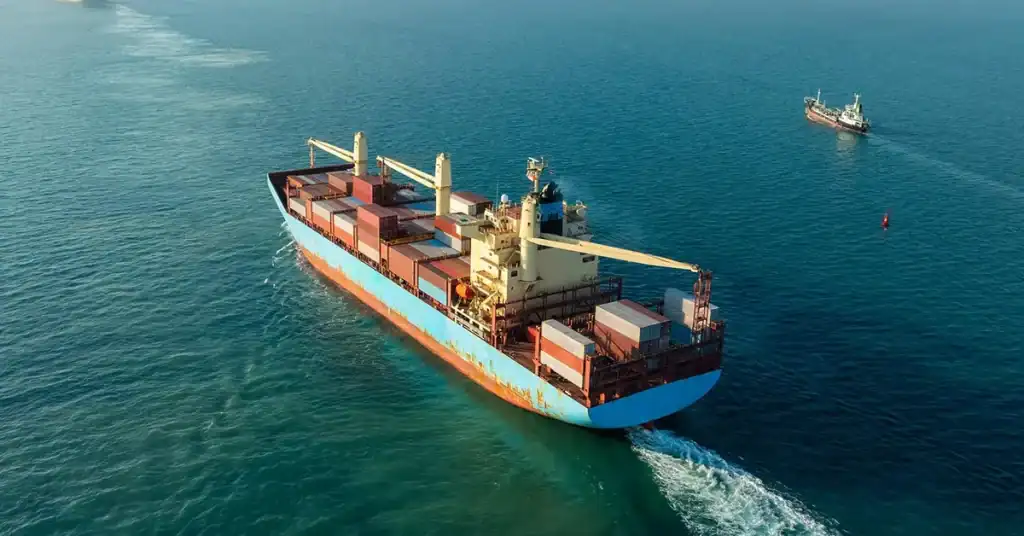
Shipping stability is one of the most important questions for importers. Fortunately, ocean freight routes connecting China with Middle Eastern ports remain largely stable. Major shipping lanes between Asia and the Gulf region continue operating.
Therefore, the Middle East conflict impact on Yiwu trade does not necessarily mean cargo delays for container shipments. Ports in China such as Ningbo and Shanghai continue handling exports normally.
Sea Freight Remains the Primary Trade Channel
Most goods sourced from Yiwu Market move through container shipping rather than air cargo. Because maritime logistics follow established international routes, they tend to remain stable even when regional airspace experiences disruption.
Consequently, importers shipping 20GP or 40HQ containers to Middle Eastern ports usually experience minimal impact.
Shipping Costs May Increase Due to Middle East Instability
Another factor that importers should monitor is the possibility of rising freight costs. According to several logistics providers, regional instability can affect shipping company vessel deployment and container distribution. When shipping routes become uncertain, carriers may adjust vessel schedules, reduce available capacity, or reposition containers to safer routes.
As a result, the Middle East conflict impact on Yiwu trade could also appear in the form of higher freight rates. Even if ports and shipping lanes remain open, shipping companies may increase prices to offset operational risk, longer sailing routes, or insurance adjustments.
Therefore, importers sourcing from Yiwu Market should plan shipments earlier and monitor freight quotations closely. In many cases, securing container space in advance can help reduce the risk of sudden freight increases during periods of geopolitical uncertainty.
Air Cargo and Logistics Adjustments
While sea freight remains stable, air cargo routes may adjust more quickly during regional tension. Airlines may temporarily change flight paths or suspend certain routes.
Therefore, businesses relying on urgent air shipments could notice scheduling changes. However, these adjustments are often temporary and gradually stabilize as airlines adapt their routes.
Importers who plan shipments in advance can usually avoid significant disruption.
Market Stability in Yiwu Despite Global Events
Although global news may raise concerns, Yiwu Market itself remains active and stable. Thousands of suppliers continue daily operations, and new orders are processed as usual.
Because Yiwu serves buyers from over 200 countries, the market has long experience adapting to global events. Therefore, the Middle East conflict impact on Yiwu trade tends to be limited to logistics or travel adjustments rather than production shutdowns.
Why Yiwu Supply Chains Are Resilient
Yiwu’s supply chain is built on thousands of specialized factories and logistics providers. This distributed system allows production and exports to continue even when certain routes change.
As a result, suppliers often adjust shipping schedules rather than stopping exports entirely.
What Importers Should Do During Uncertain Periods
Although the Middle East conflict impact on Yiwu trade remains manageable, proactive planning helps importers avoid risk. Buyers should communicate closely with suppliers and logistics partners to confirm updated schedules.
Moreover, planning shipments early can secure better freight options and avoid last-minute changes.
Practical Steps for Buyers
- Confirm supplier production schedules
- Monitor airline and travel updates
- Plan container shipments early
- Consider remote sourcing if travel is delayed
- Work with experienced sourcing agents in Yiwu
By following these steps, buyers can minimize the Middle East conflict impact on Yiwu trade and maintain stable supply chains.
Long-Term Outlook for Yiwu and Middle East Trade
Trade between China and the Middle East has grown consistently over the past decade. Because demand for consumer goods continues to increase in the region, Yiwu Market remains an important sourcing hub.
Therefore, while short-term disruptions may occur, long-term trade relationships remain strong. In fact, many suppliers continue expanding partnerships with Middle Eastern importers.
Consequently, the Middle East conflict impact on Yiwu trade is expected to remain temporary rather than structural.
Final Thoughts on the Middle East Conflict Impact on Yiwu Trade
The Middle East conflict impact on Yiwu trade mainly affects travel routes and certain logistics channels rather than production or export capacity. Yiwu Market continues operating normally, and container shipping routes remain active.
Therefore, importers should focus on practical planning rather than reacting to headlines. By staying informed and working with reliable sourcing partners, buyers can continue sourcing efficiently from Yiwu Market even during periods of global uncertainty.
Ultimately, the resilience of Yiwu’s supply chain and its strong connections with international buyers ensure that trade continues to move forward.
Looking for a professional Yiwu agent to simplify importing from the Yiwu market? Visit our homepage to discover expert assistance that makes your sourcing and shipping easier, faster, and more efficient in Yiwu, China.
Related Articles:
Why You Need a Yiwu Agent | Sourcing Cases | Shipping Cases
Where Is Yiwu Market Located | How to fly to Yiwu | Yiwu Hotels | Yiwu Restaurants | Yiwu Market Full Guide | Why Yiwu Is Famous | Yiwu Market Secrets | Yiwu Market Buying Tips
What’s the MOQ in Yiwu Market? | Yiwu Market Product List| Yiwu Market Price List| Top 10 Mistakes to Avoid in Yiwu Market | Top 10 Popular Products in Yiwu Market | Best Time to Import from Yiwu Market | Is It Safe to Import From Yiwu Market | Yiwu Market History
Top 10 Yiwu Market Sections | Top 10 Yiwu Market Product Categories | Top 10 Yiwu Market Tips | Top 10 Yiwu Market Insider Secrets | Top 10 Yiwu Market Mistakes to Avoid | Top 10 Benefits of Local Yiwu Agent | Top 5 Ways a Yiwu Agent Prevents Supplier Scams for Importers | Top 5 Advantages of Yiwu Sourcing Agents
Popular Articles:
Yiwu Market District 1 | Yiwu Market District 2 F Section | Yiwu Market District 2 G Section | Yiwu Market District 3 | Yiwu Market District 4 | Yiwu Market District 5 | Yiwu Market New District 6
Yiwu Market Products | Yiwu Market Map | Yiwu Market Process | Warehousing & Quality Control | Feature | FAQ
Follow Our Social Media:
Youtube | Facebook | Instagram | LinkedIn | Pinterest | TikTok | Threads | Twitter | Reddit