
Finished the Canton Fair but still not ready to place orders? That is normal. Many buyers leave Guangzhou with catalogs, samples, and supplier contacts, yet they still need lower MOQ, better prices, and more product options. That is why Yiwu sourcing after Canton Fair is such a smart move. Instead of ending your China trip at the fair, you can continue to Yiwu, compare more suppliers, combine products, and build a more flexible sourcing plan.
This guide explains exactly how to do it. You will learn when to go, how to prepare, how to find the right suppliers, how to negotiate, and when a Yiwu agent can save you time and money. So, if you want a practical sourcing route instead of just more theory, this article is for you.
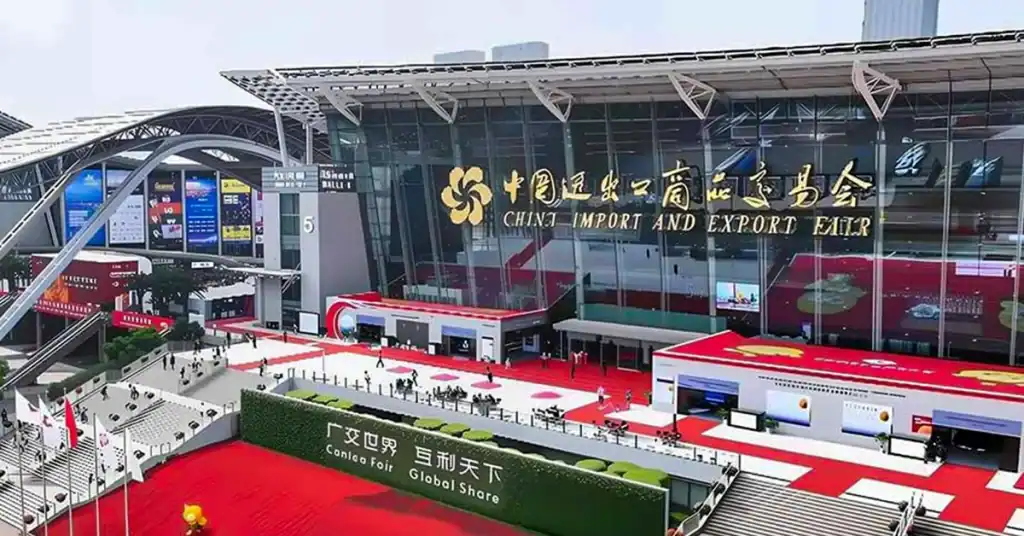
Why Buyers Continue to Yiwu After Canton Fair
The Canton Fair is excellent for spotting trends, meeting factories, and understanding what is new in the market. However, it is not always the best place to finalize every order. In many cases, MOQ is too high, product choice is limited to booth samples, and pricing can be less flexible than buyers expect.
Yiwu solves a different problem. It is not a short event. It is a permanent wholesale market with thousands of suppliers and a huge range of small commodities. Therefore, buyers who need mixed products, small trial orders, or faster comparison often extend their trip. In other words, the fair helps you discover ideas, while Yiwu helps you turn those ideas into real orders.
If you are still deciding between sourcing options, check our Canton Fair vs Yiwu Market comparison before planning your trip.
What Makes Yiwu Sourcing After Canton Fair Different
The key difference is intent. At the fair, many buyers are still exploring. In Yiwu, buyers are usually ready to compare, negotiate, and move closer to an actual order. As a result, the process becomes more practical.
Moreover, Yiwu is ideal for buyers who need variety. Instead of seeing one supplier’s selected booth display, you can compare many shops in the same category within a short time. This saves time. It also reveals price gaps, packaging differences, and MOQ differences that are easy to miss at an exhibition.
That is why Yiwu sourcing after Canton Fair works so well for importers, wholesalers, online sellers, and supermarket buyers who need flexible sourcing options.
Step 1: Decide Whether Yiwu Fits Your Product Type
Before booking the next leg of your trip, confirm that Yiwu matches your sourcing needs. Yiwu is strongest in small commodities and consumer goods. For example, it is very good for home products, gifts, fashion accessories, toys, stationery, beauty tools, seasonal items, kitchenware, and promotional products.
However, if your business focuses on heavy industrial machinery or highly specialized manufacturing, Yiwu may not be your main stop. In that case, factory visits might matter more. So, the first step is simple: match your product category to the market advantage.
If you want low MOQ, mixed items, fast supplier comparison, or more choice after the fair, Yiwu is usually worth the trip.
Step 2: Plan the Route from Guangzhou to Yiwu
After the Canton Fair, most buyers travel from Guangzhou to Yiwu by flight or train. The best option depends on your schedule, luggage, and energy level. Flights are faster overall. Trains can be convenient if you prefer a smoother trip without airport procedures.
Try not to arrive in Yiwu without a plan. Instead, decide how many days you need and which product sections matter most. Most buyers can use two to four days effectively if the trip is organized well. If your category range is wider, add more time.
Also, avoid wasting your first day. Book a hotel near the market area if possible. That way, you can start early and keep your energy for supplier meetings instead of traffic.
Step 3: Prepare a Smart Buying List Before You Enter the Market
This is where many buyers fail. They arrive with only a general idea and then walk too much, see too much, and remember too little. A strong buying list fixes that problem.
Your list should include product names, target sizes, materials, colors, packaging needs, target MOQ, and target price range. In addition, note whether you need private label, logo printing, or custom packaging. The more specific you are, the faster suppliers can respond accurately.
It also helps to sort your list into three groups: must-buy products, products to compare, and products you are just testing. This keeps your day focused. More importantly, it helps you avoid impulse decisions after seeing hundreds of items. If this is your first time, read our full guide on how to buy from Yiwu Market before visiting.
Step 4: Know How the Yiwu Market Is Organized
Yiwu International Trade Market is large. If you walk in without understanding the district layout, you will waste time. Different districts focus on different product categories, so preparation matters.
You do not need to memorize every street or every floor. Still, you should know which district likely contains your categories. Then, build your route around those sections first. For example, if you need several related items, group them into one day. If you need unrelated categories, split the trip by priority.
This is one of the biggest advantages of Yiwu sourcing after Canton Fair. Instead of meeting scattered suppliers across many cities, you can handle multiple categories in one organized wholesale market.
Step 5: Compare Suppliers the Right Way
Do not choose the first decent supplier you meet. Compare at least three to five shops for each important item. This is where Yiwu becomes powerful. You can compare quality, material, finish, packaging, response speed, and MOQ on the same day.
When comparing suppliers, look beyond price. Ask these questions:
- What is the MOQ?
- Can products be mixed in one order?
- Can the packaging be customized?
- What is the lead time?
- Is there export experience?
- Can they support repeat orders with stable quality?
Take photos, collect cards, and write short notes immediately. Otherwise, shops will blur together by the afternoon. Good notes are often the difference between a smart sourcing decision and a confused one.
If you want to save time and avoid mistakes, working with a professional Yiwu agent service can make the process much smoother.
Step 6: Negotiate Price and MOQ in a Practical Way
Negotiation in Yiwu is usually more flexible than many buyers expect, especially when you are realistic and clear. Instead of asking for the lowest possible price too early, explain your plan. Tell the supplier your target market, approximate order size, and whether this is a trial order or a long-term project.
Then focus on the total deal, not just unit price. For example, a supplier may not cut the price much, but they may reduce MOQ, improve packaging, or combine products in one shipment. In many cases, that creates more value than a tiny discount. Understanding Yiwu Market MOQ requirements helps you negotiate better and reduce risk.
Another tip is to ask for multiple quote levels. Request pricing for a trial quantity, a medium quantity, and a larger repeat order. This helps you see how the supplier thinks and whether the business can scale later.
For many buyers, this is where Yiwu sourcing after Canton Fair becomes more profitable than stopping at the exhibition stage.
Step 7: Check Product Quality Before You Commit
Never rely on appearance alone. Even if a product looks good in the showroom, you still need to confirm details. Check material thickness, stitching, printing quality, smell, finish, accessories, labeling, and packaging. If the product has moving parts, test them. If it is fragile, inspect how it is packed.
Ask whether the supplier can produce the same quality consistently. If needed, buy samples or arrange a formal sample order. This is especially important if you plan to sell online, where bad reviews can damage the product launch quickly.
Also, clarify what can change between sample and mass production. A beautiful display item means little if the actual production version is downgraded later.
Step 8: Combine Multiple Products into One Order
One of Yiwu’s strongest advantages is order combination. Many buyers do not want to import one single product from one single supplier. They want a practical container or shipment with multiple related items. Yiwu is well suited for that.
For example, a home goods buyer might source storage boxes, hooks, cleaning tools, kitchen accessories, and seasonal items in the same trip. An online seller might test several SKUs without risking a huge factory MOQ. Therefore, the market supports a more flexible purchasing model.
If you plan to combine items, calculate packaging sizes and shipping volume early. That way, you can make better decisions while negotiating. Small price savings are useful, but shipping efficiency can improve margins even more.
Step 9: Organize Orders, Payments, and Follow-Up Clearly
Once you shortlist suppliers, move into order control mode. Confirm product specifications in writing. Confirm colors, sizes, materials, quantity, packaging, carton marks, delivery time, payment terms, and inspection requirements. Do not leave important details to verbal memory.
Create a simple order sheet for yourself. Even if the supplier sends a quotation, keep your own version. This reduces confusion later, especially when you work with multiple suppliers at the same time.
After that, decide how follow-up will happen. Some buyers manage it directly. Others prefer a Yiwu agent to coordinate production updates, inspection, warehousing, and loading. The right choice depends on order complexity and available time.
Step 10: Decide Whether You Need a Yiwu Agent
You do not always need an agent. If your order is simple, your product knowledge is strong, and you have time to manage suppliers yourself, direct buying can work. However, many buyers benefit from local support.
A Yiwu agent can help you locate the right districts faster, compare suppliers more efficiently, negotiate more confidently, and avoid miscommunication. More importantly, an agent can coordinate mixed orders, inspect goods, arrange warehousing, and manage export paperwork.
This matters even more when you are tired after the fair and trying to handle many categories at once. In that situation, Yiwu sourcing after Canton Fair becomes much smoother with local support.
Common Mistakes Buyers Make in Yiwu
The first common mistake is walking the market without a buying list. This leads to wasted time and weak supplier conversations. The second mistake is focusing only on the cheapest price. Low price without stable quality, clear packaging, or good follow-up often becomes expensive later.
Another mistake is not recording details clearly. Buyers sometimes collect many cards and quotations, then forget which supplier offered what. Finally, some buyers rush into payment before confirming all order details. That creates avoidable problems in production and shipping.
So, stay structured. Yiwu rewards organized buyers much more than random shoppers.
Best Timeframe for Yiwu Sourcing After Canton Fair
The best time is usually immediately after your fair visit, while product ideas are still fresh in your mind. You already know what categories interested you, what prices surprised you, and what suppliers felt too rigid. Therefore, your Yiwu trip becomes more targeted.
If possible, schedule Yiwu right after the fair instead of returning home first. Momentum matters. Questions are still clear. Product comparisons are still fresh. Decisions can be made faster.
This is why many experienced importers treat the fair and Yiwu as one connected sourcing route rather than two separate trips.
Is Yiwu Sourcing After Canton Fair Worth It?
For many buyers, yes. If your business values lower MOQ, faster comparison, more variety, and mixed product purchasing, Yiwu is often the missing step after the fair. It helps you move from inspiration to execution.
It is especially valuable when you are not ready to place a huge factory order, or when you want to test products before scaling. In that sense, Yiwu sourcing after Canton Fair is not just an extra trip. It is a smarter sourcing strategy.
Final Thoughts on Yiwu Sourcing After Canton Fair
The Canton Fair is a strong starting point, but it does not have to be the end of your buying journey. If you still need better pricing, lower MOQ, more product choice, or a practical mixed-order solution, Yiwu can deliver exactly that.
The key is to approach the market with a plan. Prepare your list, know your districts, compare suppliers carefully, negotiate for total value, and document every order detail. Then, if needed, use a trusted Yiwu agent to simplify the process.
Done well, Yiwu sourcing after Canton Fair can help you buy smarter, reduce risk, and build a supply chain that fits your business better. That is why so many global buyers continue to Yiwu after Guangzhou every season.
Planning to source products from Yiwu Market? Our professional Yiwu sourcing team helps international buyers with airport pickup, Yiwu market guidance, supplier negotiation, order tracking, product inspection, warehousing, container loading, China customs, and international shipping.
👉 Learn more about our Yiwu Agent services or contact us to get a free sourcing consultation.
Related Articles:
Why You Need a Yiwu Agent | Sourcing Cases | Shipping Cases
Where Is Yiwu Market Located | How to fly to Yiwu | Yiwu Hotels | Yiwu Restaurants | Yiwu Market Full Guide | Why Yiwu Is Famous | Yiwu Market Secrets | Yiwu Market Buying Tips | How to Apply Chinese Visa
What’s the MOQ in Yiwu Market? | Yiwu Market Product List | Yiwu Market Price List | Top 10 Mistakes to Avoid in Yiwu Market | Top 10 Popular Products in Yiwu Market | Best Time to Import from Yiwu Market | Is It Safe to Import From Yiwu Market | Yiwu Market History
Popular Articles:
Yiwu Market District 1 | Yiwu Market District 2 F Section | Yiwu Market District 2 G Section | Yiwu Market District 3 | Yiwu Market District 4 | Yiwu Market District 5 | Yiwu Market New District 6
Yiwu Market Products | Yiwu Market Map | Yiwu Market Process | Warehousing & Quality Control | Feature | FAQ
Follow Our Social Media:
Youtube | Facebook | Instagram | LinkedIn | Pinterest | TikTok | Threads | Twitter | Reddit