
Sourcing suppliers in China is one of the most effective ways to reduce product costs, increase profit margins, and access a massive range of wholesale products. However, many importers struggle with fake suppliers, poor product quality, delayed shipping, and communication problems. Therefore, understanding how to find reliable suppliers in China is critical before placing your first order.
Today, China remains the world’s largest manufacturing hub. From electronics and toys to packaging and household products, importers worldwide continue sourcing products from Chinese suppliers because of competitive pricing and huge production capacity. However, successful importing requires more than simply searching on Alibaba or attending a trade fair.
In this guide, you will learn how to start sourcing suppliers in China step by step. Moreover, you will discover how to verify suppliers, negotiate pricing, avoid scams, manage quality inspections, and choose the right sourcing strategy for your business.
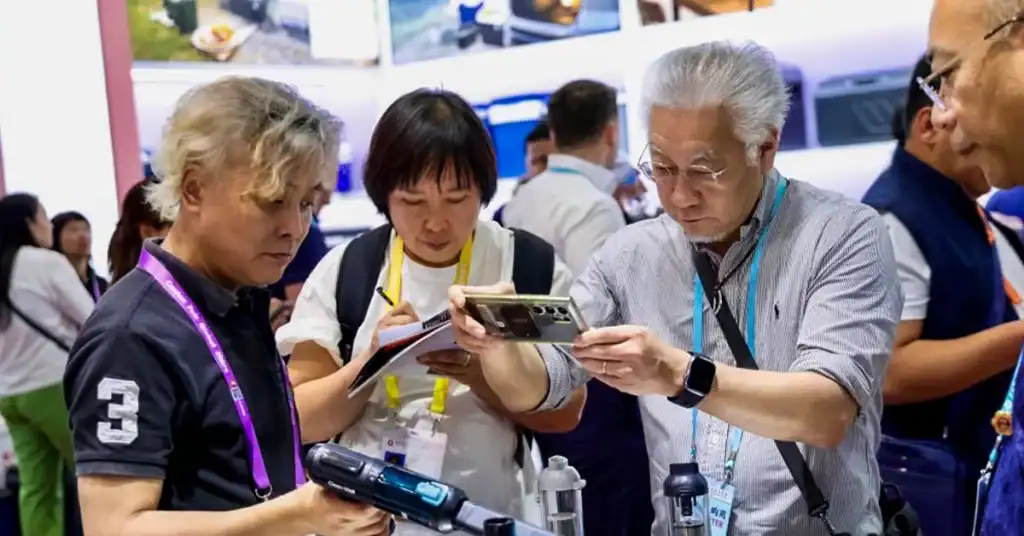
Why Businesses Prefer Sourcing Suppliers in China
There are several reasons why global importers continue sourcing suppliers in China despite rising competition from other countries.
First, China offers unmatched manufacturing ecosystems. In cities like Yiwu, suppliers, factories, logistics companies, packaging providers, and exporters operate closely together. As a result, buyers can source multiple product categories efficiently.
Second, Chinese suppliers often provide flexible customization options. For example, businesses can customize packaging, logos, colors, materials, and private labels even with relatively low minimum order quantities.
Third, China has mature export infrastructure. Ports, freight systems, supplier networks, and wholesale markets make global shipping faster and more affordable.
Additionally, many importers prefer China because they can source mixed products from one location. This is especially useful for wholesalers, ecommerce sellers, and retail businesses.
Best Methods for Sourcing Suppliers in China
Use B2B Supplier Platforms
Many beginners start sourcing suppliers in China through B2B websites like Alibaba, Made-in-China, and Global Sources.
These platforms allow buyers to compare suppliers, request quotations, and review certifications. However, buyers should still verify suppliers carefully because online listings can sometimes be misleading.
Additionally, pricing shown online is often not the final wholesale price. Therefore, negotiation is still important.
Visit Chinese Wholesale Markets
Wholesale markets remain one of the best ways to find suppliers directly. For example, the famous Yiwu International Trade Market guide helps buyers understand product districts and sourcing opportunities.
Unlike online sourcing, physical market visits allow buyers to inspect products directly, compare suppliers face to face, and negotiate faster.
Moreover, buyers can discover new products that may not appear on online platforms.
Attend Chinese Trade Fairs
Trade fairs are excellent for serious importers. Events like the Canton Fair vs Yiwu Market comparison help businesses compare sourcing strategies.
Trade fairs allow buyers to meet manufacturers directly, build trust, and evaluate product quality in person.
Work With a Sourcing Agent
Many importers use sourcing agents to simplify sourcing suppliers in China. A professional sourcing company can help with:
- Supplier communication
- Price negotiation
- Product sourcing
- Quality inspections
- Shipping coordination
- Supplier verification
Additionally, sourcing agents are especially useful when buyers want to source mixed products from multiple suppliers.
How to Verify Suppliers When Sourcing Suppliers in China
Supplier verification is one of the most important parts of importing from China.
Unfortunately, many importers focus only on pricing. As a result, they sometimes choose unreliable suppliers that create expensive problems later.
Check Business Licenses
Always request a Chinese business license before placing orders. Legitimate suppliers should provide registration details willingly.
Additionally, compare the supplier’s company name across invoices, bank accounts, and export documents.
Request Product Samples
Samples help buyers evaluate product quality, packaging standards, and supplier reliability.
Moreover, testing samples before mass production reduces quality risks significantly.
Inspect Supplier Communication
Reliable suppliers usually reply clearly and consistently. On the other hand, poor communication may indicate future operational problems.
For example, delayed responses, unclear quotations, or refusal to answer technical questions can be warning signs.
Use Third-Party Inspection Services
Before shipping products, buyers should arrange inspections whenever possible.
A professional China inspection service can help identify product defects before goods leave the factory.
This step is extremely important because fixing problems after international shipping is usually expensive.
Common Problems When Sourcing Suppliers in China
Low Product Quality
One of the biggest problems in sourcing suppliers in China is inconsistent quality.
Sometimes suppliers send good samples but lower-quality bulk products later. Therefore, inspections and detailed specifications are essential.
Hidden Costs
Many new importers focus only on unit price. However, importing also involves:
- Shipping costs
- Import duties
- Packaging fees
- Bank charges
- Inspection costs
- Storage fees
Consequently, buyers should calculate total landed cost before confirming orders.
Intellectual Property Risks
Buyers should avoid sourcing counterfeit products or trademarked items without authorization.
Additionally, businesses should protect private label designs through contracts and supplier agreements whenever possible.
Shipping Delays
Shipping timelines can change because of holidays, production delays, port congestion, or customs inspections.
Therefore, importers should build extra buffer time into inventory planning.
Best Cities for Sourcing Suppliers in China
Yiwu
Yiwu is famous for small commodities and mixed product sourcing.
Buyers can source gifts, toys, household items, stationery, fashion accessories, packaging, and thousands of other products.
Additionally, Yiwu is ideal for buyers wanting lower MOQs and mixed container orders.
Shenzhen
Shenzhen specializes in electronics, gadgets, and technology products.
Many Amazon sellers source electronic accessories from this region.
Guangzhou
Guangzhou is well known for fashion, bags, cosmetics, and apparel sourcing.
Furthermore, many trade fairs operate nearby.
Ningbo
Reference is strong in manufacturing and shipping infrastructure.
The nearby Ningbo Ocean Port guide explains why this port is important for exporters.
How to Negotiate With Chinese Suppliers
Negotiation plays a major role when sourcing suppliers in China.
However, successful negotiation is not only about getting the lowest price. Instead, buyers should focus on total value.
Request Multiple Quotations
Always compare several suppliers before making decisions.
This helps buyers understand realistic market pricing and supplier differences.
Clarify Specifications Clearly
Detailed product specifications reduce misunderstandings.
Therefore, buyers should confirm:
- Materials
- Dimensions
- Packaging
- Colors
- Logo placement
- Quality standards
Build Long-Term Relationships
Chinese suppliers often prioritize long-term customers.
Consequently, stable buyers may receive better pricing, faster production, and priority support.
Shipping After Sourcing Suppliers in China
After sourcing products successfully, buyers must arrange international shipping.
Generally, the main shipping methods include:
- Sea freight
- Air freight
- Rail freight
- Express courier
Sea freight is usually the most cost-effective for bulk shipments. Meanwhile, air freight is faster but more expensive.
Additionally, many importers consolidate products from multiple suppliers into one shipment to reduce costs.
The Goldenshiny sourcing process explains how consolidation and export support work for importers.
Mistakes to Avoid When Sourcing Suppliers in China
Choosing Suppliers Only by Price
Very cheap pricing may indicate poor quality or hidden risks.
Therefore, buyers should evaluate supplier reliability, communication, and production capability as well.
Skipping Inspections
Many importers regret skipping inspections because quality problems appear after goods arrive.
Consequently, inspections should be part of standard sourcing procedures.
Ignoring Contracts
Clear agreements reduce misunderstandings.
Important terms should include:
- Product specifications
- Payment terms
- Delivery timelines
- Quality standards
- Packaging requirements
Ordering Large Quantities Too Early
New buyers should test suppliers with smaller orders first.
After building trust, larger orders become safer.
Is Sourcing Suppliers in China Still Worth It in 2026?
Yes, sourcing suppliers in China remains highly attractive for global businesses.
Although manufacturing costs have increased slightly in some sectors, China still offers unmatched supplier networks, logistics systems, and product variety.
Additionally, buyers can often source products faster and more efficiently compared to many alternative manufacturing countries.
For businesses wanting scalability, customization, and broad product access, China continues to provide significant advantages.
Final Thoughts on Sourcing Suppliers in China
Sourcing suppliers in China can help businesses reduce costs, expand product lines, and improve profitability. However, success depends on proper supplier verification, quality management, negotiation, and shipping coordination.
Importers who understand the sourcing process usually avoid costly mistakes and build more reliable supplier relationships.
Whether you source online, visit wholesale markets, attend trade fairs, or work with a sourcing company, preparation remains the key to long-term importing success.
Additionally, businesses that invest time in supplier verification and inspections typically experience fewer problems and stronger business growth.
If you plan to start sourcing from China, building a structured sourcing process from the beginning will significantly improve your results.
Planning to source products from Yiwu Market? Our professional Yiwu sourcing team helps international buyers with airport pickup, Yiwu market guidance, supplier negotiation, order tracking, product inspection, warehousing, container loading, China customs, and international shipping.
👉 Learn more about our Yiwu Agent services or contact us to get a free sourcing consultation.
Related Articles:
Why You Need a Yiwu Agent | Sourcing Cases | Shipping Cases
Where Is Yiwu Market Located | How to fly to Yiwu | Yiwu Hotels | Yiwu Restaurants | Yiwu Market Full Guide | Why Yiwu Is Famous | Yiwu Market Secrets | Yiwu Market Buying Tips | How to Apply Chinese Visa
What’s the MOQ in Yiwu Market? | Yiwu Market Product List | Yiwu Market Price List | Top 10 Mistakes to Avoid in Yiwu Market | Top 10 Popular Products in Yiwu Market | Best Time to Import from Yiwu Market | Is It Safe to Import From Yiwu Market | Yiwu Market History
Popular Articles:
Yiwu Market District 1 | Yiwu Market District 2 F Section | Yiwu Market District 2 G Section | Yiwu Market District 3 | Yiwu Market District 4 | Yiwu Market District 5 | Yiwu Market New District 6
Yiwu Market Products | Yiwu Market Map | Yiwu Market Process | Warehousing & Quality Control | Feature | FAQ
Follow Our Social Media:
Youtube | Facebook | Instagram | LinkedIn | Pinterest | TikTok | Threads | Twitter | Reddit